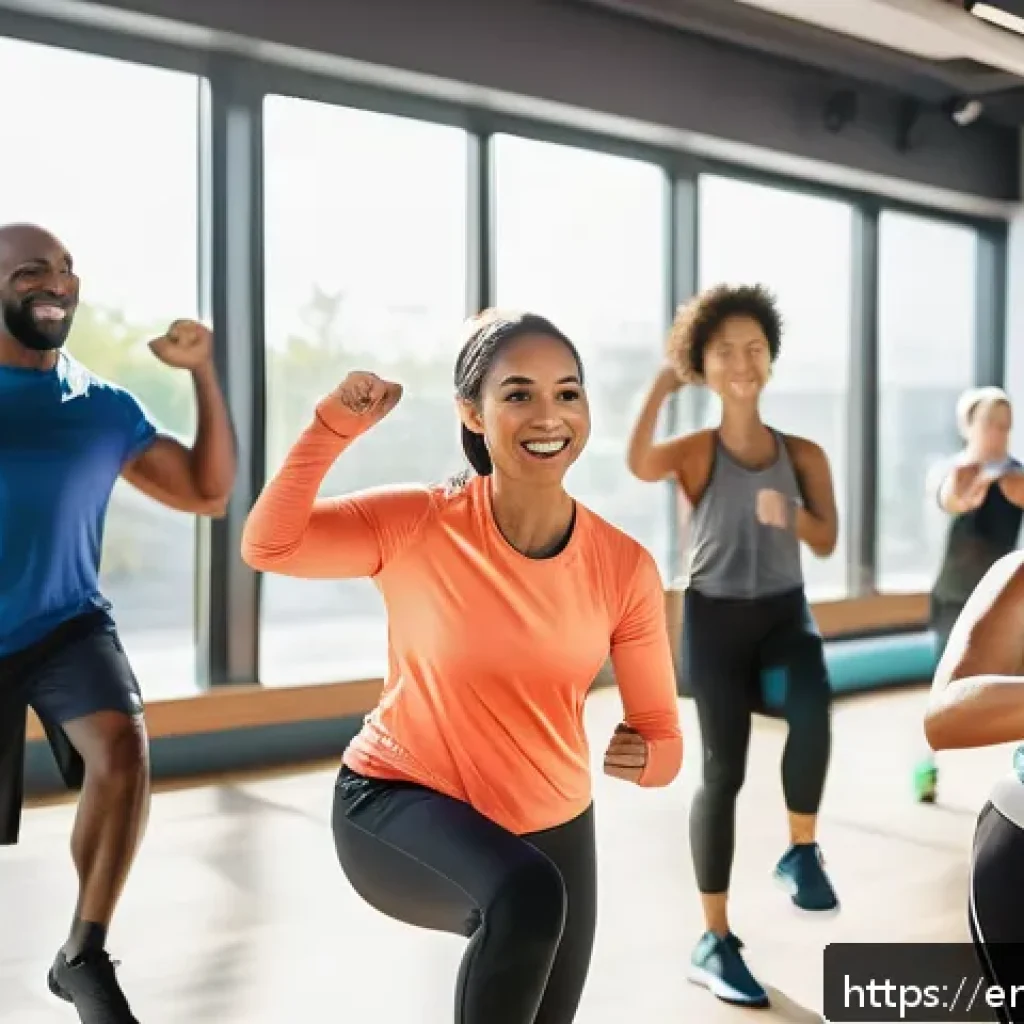
In today’s fast-paced world, the fusion of fitness management and sports marketing is reshaping how we embrace active lifestyles. With wellness trends soaring and digital engagement transforming consumer habits, this dynamic duo is unlocking unprecedented growth opportunities.
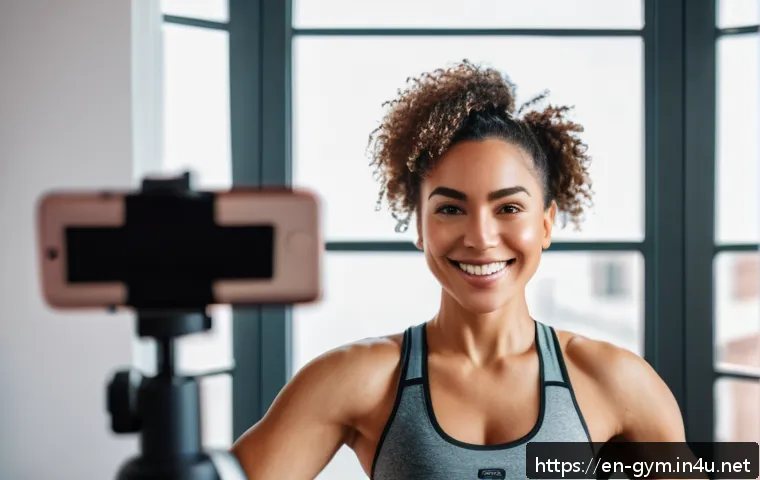
Whether you’re a fitness enthusiast or a marketer, understanding this synergy is key to staying ahead. Let’s dive into how these industries are driving innovation, fostering community, and inspiring healthier living for the future.
Stick around—there’s a lot to explore that could change the way you think about fitness and marketing altogether.
Building Lasting Connections Through Active Communities
Creating Authentic Engagement Beyond Transactions
When brands and fitness providers focus solely on selling products or memberships, they often miss the bigger picture. True loyalty springs from genuine relationships—people want to feel seen and supported on their wellness journeys.
I’ve noticed that when fitness programs incorporate social elements like group challenges, community forums, or live virtual classes, members stick around longer.
It’s not just about working out; it’s about sharing progress, swapping tips, and celebrating milestones together. That sense of belonging transforms casual users into passionate advocates, which in turn drives organic growth and trust.
Leveraging Influencers to Amplify Real Stories
Influencers in the fitness space aren’t just trendsetters; they’re storytellers who humanize brands. From my experience collaborating with fitness creators, the best partnerships happen when influencers genuinely use and believe in the products or services they promote.
Their honest reviews and daily routines make marketing feel less like an ad and more like a friend’s recommendation. This authentic voice resonates deeply with audiences, sparking conversations and increasing brand visibility in ways traditional ads can’t match.
Fostering Inclusivity Through Diverse Offerings
One of the most exciting shifts I’ve witnessed is the move toward inclusivity in fitness communities. Whether it’s beginner-friendly workouts, adaptive programs for different abilities, or culturally diverse trainers, broadening the scope of offerings invites more people to participate.
This approach not only expands the market but enriches the community with varied perspectives and experiences, making everyone feel welcome and empowered to pursue their health goals.
Harnessing Data to Personalize Fitness Experiences
Tracking User Behavior for Tailored Recommendations
The rise of wearable tech and fitness apps has opened a treasure trove of data that, when used thoughtfully, can dramatically enhance user experiences.
I’ve seen apps that analyze workout frequency, intensity, and preferences to suggest personalized routines or recovery tips, which keeps users motivated and engaged.
This kind of smart customization feels like having a personal trainer in your pocket, adapting to your evolving needs without the hefty price tag.
Balancing Privacy and Personalization
While data-driven insights are powerful, they come with the responsibility of respecting user privacy. It’s crucial for companies to be transparent about what data they collect and how it’s used.
From my observations, brands that prioritize clear communication and offer opt-in choices build stronger trust with their customers. In an age where data breaches make headlines, this ethical stance can be a key differentiator that sets a brand apart.
Predictive Analytics for Anticipating Trends
Beyond individual personalization, analytics can forecast broader market trends, helping brands stay ahead of the curve. For example, spotting rising interest in outdoor workouts or mindfulness practices early allows businesses to develop relevant products or campaigns before competitors do.
I’ve found that companies embracing this proactive mindset not only capture new customers but also innovate continuously, fueling long-term success.
Innovative Content Strategies That Captivate Audiences
Storytelling That Inspires Action
People don’t just want facts; they crave stories that connect emotionally. When crafting fitness and wellness content, weaving narratives about real people overcoming challenges or discovering joy through movement can be incredibly motivating.
In my writing and marketing work, sharing authentic journeys has consistently resulted in higher engagement and shares, proving that vulnerability and relatability are powerful tools.
Video and Interactive Formats for Deeper Engagement
Static posts are great, but video content—especially live streams, tutorials, and Q&A sessions—takes engagement to the next level. I’ve personally noticed that interactive formats encourage immediate feedback and foster a sense of community, making audiences feel heard and valued.
These dynamic approaches not only boost time spent on platforms but also invite repeat visits, which are gold for both brands and creators.
Utilizing User-Generated Content to Build Trust
Encouraging users to share their own stories and results creates a treasure trove of authentic content that brands can highlight. This grassroots approach feels more credible than polished ads because it reflects real experiences.
From my experience, campaigns that actively promote hashtags or contests to gather user-generated content not only increase visibility but also deepen the emotional connection with the audience.
Integrating Technology for Seamless Customer Journeys
Omnichannel Approaches for Consistent Experiences
In today’s digital landscape, customers expect to move effortlessly between apps, websites, and physical locations. I’ve seen fitness brands succeed by creating seamless experiences—whether someone books a class via mobile, checks in at the gym, or shops for gear online, the transition feels smooth and personalized.
This consistency reduces friction and encourages repeat business, which is vital in a competitive market.
Virtual and Augmented Reality for Immersive Workouts
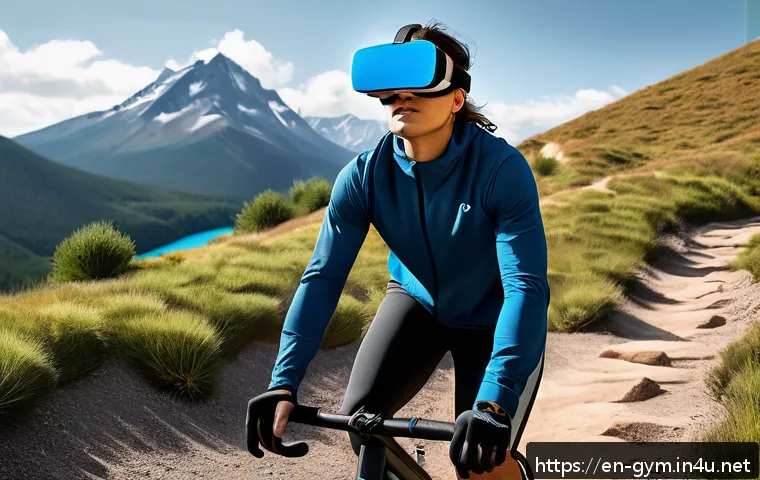
Emerging tech like VR and AR is revolutionizing how people engage with fitness. When I tried a virtual cycling class that simulated real-world trails, it was a game-changer—not only was it fun, but it also distracted me from fatigue and kept me pushing harder.
These immersive experiences add excitement and variety, helping users maintain motivation over time.
Streamlining Payments and Subscriptions
A simple but often overlooked aspect is the ease of payment and membership management. Complicated checkout processes or confusing subscription models can quickly turn potential customers away.
From what I’ve seen, brands that offer flexible plans, transparent pricing, and frictionless payment options enjoy higher conversion rates and better retention.
Strategic Partnerships Fueling Mutual Growth
Cross-Industry Collaborations Expanding Reach
Partnerships between fitness companies and other sectors—like nutrition, fashion, or tech—can create exciting synergies. For example, teaming up with a healthy snack brand or a wearable device maker offers customers a more holistic wellness experience.
I’ve found that these collaborations not only broaden audiences but also generate fresh content and promotional opportunities that keep things vibrant.
Local Events and Sponsorships Building Brand Visibility
Community-based events such as races, fitness expos, or charity challenges provide hands-on engagement that digital campaigns can’t fully replicate. When I volunteered at a local marathon sponsored by a fitness brand, the energy and personal interactions left a lasting impression.
These real-world touchpoints build goodwill and deepen customer loyalty in ways that online ads often can’t.
Co-Creation with Customers for Authentic Innovation
Brands that involve their customers in product development or marketing campaigns tap into invaluable insights and creativity. I recall a fitness apparel company that invited users to vote on new designs, making them feel part of the process.
This co-creation builds excitement and a sense of ownership that translates into enthusiastic support and word-of-mouth promotion.
Monetization Models That Reflect Modern Consumer Expectations
Subscription Services Offering Flexibility and Value
Monthly or yearly subscriptions have become a cornerstone of fitness monetization, but consumers now expect more than just access—they want customization and perks.
From my perspective, subscription models that bundle live classes, exclusive content, and community access deliver superior value and justify ongoing payments, creating predictable revenue streams for businesses.
Freemium Models to Attract and Upsell Users
Offering a free tier with limited features is a clever way to hook users and showcase a brand’s value. I’ve seen fitness apps that attract millions through free trials or basic plans, then convert a significant portion to premium through targeted upsells like personalized coaching or advanced tracking.
This approach balances accessibility with profitability.
Branded Merchandise and Licensing Opportunities
Expanding revenue through merchandise or licensing deals can solidify a brand’s identity and provide additional income. From experience, fitness brands with strong followings can successfully launch apparel lines, equipment, or even digital products that fans eagerly buy.
This diversification enhances brand presence and deepens customer relationships.
| Monetization Model | Key Benefits | Challenges | Examples |
|---|---|---|---|
| Subscription Services | Predictable revenue, customer loyalty, access to premium content | Requires continuous content updates, risk of churn | Peloton, ClassPass |
| Freemium Models | Wide user base, easy entry, upsell potential | Balancing free vs. paid features, conversion rates | MyFitnessPal, Strava |
| Merchandise & Licensing | Brand extension, additional revenue, fan engagement | Inventory management, brand consistency | Under Armour, Lululemon |
Embracing Sustainability and Social Responsibility
Eco-Friendly Practices in Product Design
Sustainability is no longer optional—it’s a consumer demand. I’ve noticed more brands adopting recycled materials for apparel or reducing packaging waste, which resonates strongly with environmentally conscious customers.
This commitment not only helps the planet but also differentiates brands in crowded markets.
Promoting Mental Wellness Alongside Physical Health
Fitness is increasingly viewed holistically, with mental health taking center stage. Programs that integrate mindfulness, stress management, and self-care have proven popular.
Personally, incorporating meditation sessions into my routine made me realize how intertwined mental and physical wellness truly are, boosting overall satisfaction and retention.
Supporting Diversity and Equity Initiatives
Meaningful social impact involves championing diversity and equity within the fitness ecosystem. Whether through scholarship programs, inclusive marketing, or partnerships with underrepresented groups, brands that actively promote fairness and access foster stronger community bonds and long-term goodwill.
Conclusion
Building a thriving fitness community goes beyond products or services—it’s about fostering genuine connections, inclusivity, and trust. By embracing technology, storytelling, and strategic partnerships, brands can create lasting engagement and meaningful experiences. Ultimately, prioritizing authenticity and user-centric innovation paves the way for sustainable growth and loyal advocates.
Useful Information to Keep in Mind
1. Genuine community engagement transforms users into passionate brand advocates by creating a sense of belonging and shared goals.
2. Collaborating with authentic influencers helps amplify real stories that resonate with audiences and boost brand credibility.
3. Personalization through data enhances user motivation while respecting privacy builds essential customer trust.
4. Interactive content formats like live videos and user-generated campaigns deepen audience connection and increase platform retention.
5. Flexible monetization models, including subscriptions and freemium tiers, balance accessibility with sustainable revenue streams.
Key Takeaways
Successful fitness brands focus on building authentic relationships, leveraging technology thoughtfully, and promoting inclusivity. Transparency about data use and ethical practices fosters trust, while innovative content and partnerships expand reach and engagement. Offering flexible, value-driven monetization options meets modern consumer expectations and supports long-term growth.
Frequently Asked Questions (FAQ) 📖
Q: How does the integration of fitness management and sports marketing benefit consumers?
A: When fitness management teams up with sports marketing, consumers get a more personalized and engaging experience. From tailored workout plans promoted through interactive campaigns to community-driven events that encourage participation, this fusion motivates people to stay active.
I’ve noticed that brands using this approach don’t just sell products or memberships—they build a lifestyle around wellness that feels authentic and supportive.
This means consumers are not only better informed but also more inspired to keep up with their fitness goals.
Q: What role does digital technology play in the synergy between fitness management and sports marketing?
A: Digital technology is the game-changer here. Think about fitness apps, wearable devices, and social media platforms—they all allow marketers and fitness professionals to connect with users in real time.
From my experience, brands leveraging data from wearables can create highly targeted marketing campaigns that resonate with individual preferences and habits.
Plus, virtual challenges, live-streamed workouts, and influencer partnerships amplify engagement like never before. This digital-first strategy makes fitness more accessible and fun, driving stronger communities and sustained interest.
Q: Can combining fitness management and sports marketing actually lead to healthier lifestyles for people?
A: Absolutely. Combining these fields creates a powerful ecosystem that encourages consistent healthy behaviors. I’ve seen firsthand how marketing campaigns that emphasize community support, achievable milestones, and real success stories can motivate people to start and stick with fitness routines.
When fitness management professionals design programs informed by marketing insights about what truly inspires people, the result is more than just sales—it’s genuine lifestyle change.
This collaborative approach helps break down barriers to wellness and makes healthy living feel doable and rewarding.